
Le Rouret, Provence, 2026
The Scent That Waits
What does a landscape remember, and what does it release the moment it finally rains?
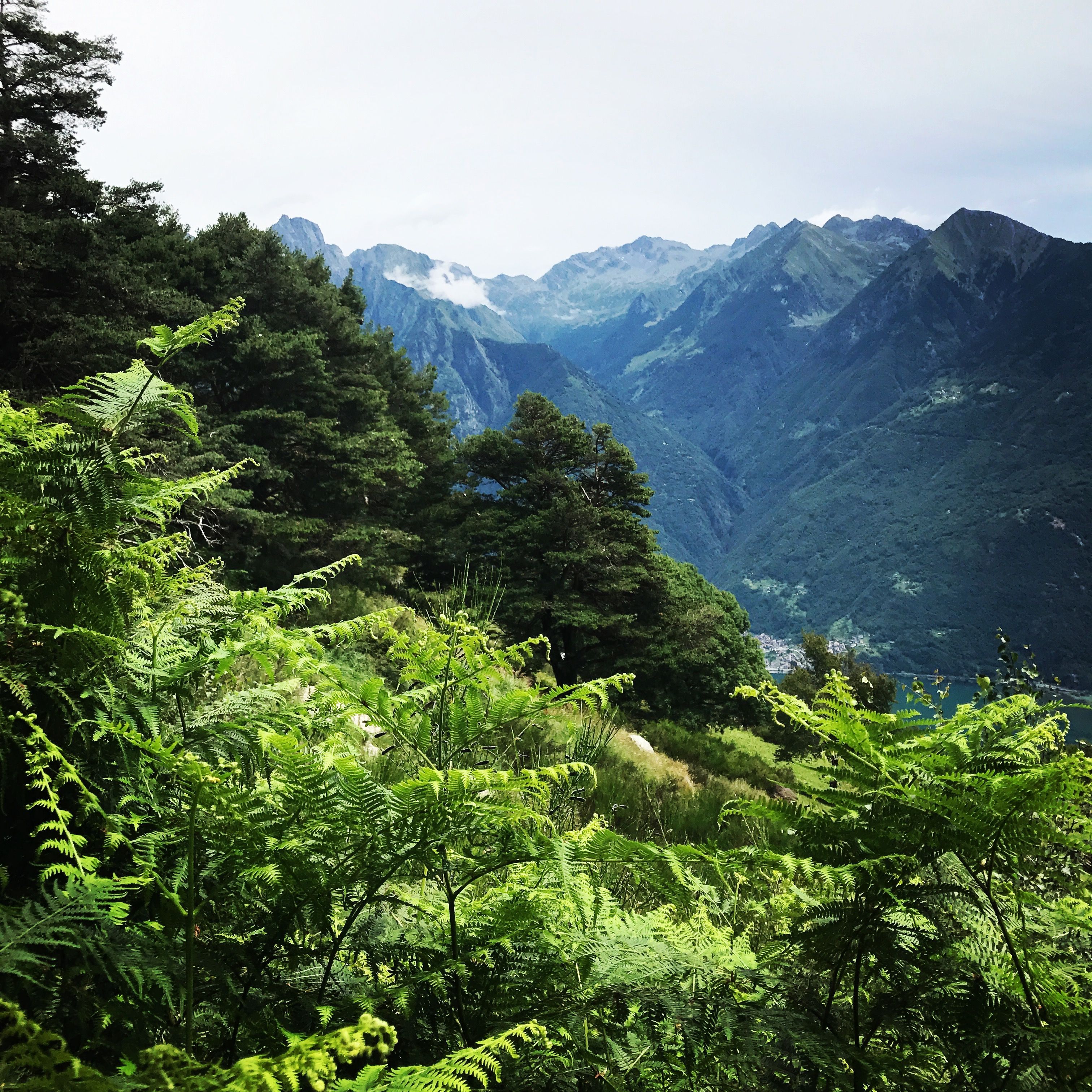
Nothing for months. The Provence July sky had been the same flat, bleached blue since May, the ground gone the colour of old bone, the lavender rows dust rather than purple. Then, without much warning, it rained for a short moment. The valley become one scent accord.
The ground in a drought had been holding its breath. The most memorable moment was when it let go after the rain. We took a walk to witness the whole valley exhale. Walnuts and cypress mixed with dried linden and lavender and the steaming tarmac from the roads. Above in the oak forest, damp chypre and cool streams threw their flavour into the evaporation and the steam carried across the valley. Every pigeon and magpie seemed to come out to sit on the branches and wires to watch.
House of DeuxPies
Cultural context
In 1964, two Australian scientists, Isabel Joy Bear and Richard Thomas, gave the smell that comes after the rain from dry soil. They called it petrichor, from the Greek petra, stone, and ichor, the fluid said to run in the veins of the gods. But the scent itself is far older than its name. In India, the same fragrance has been distilled for centuries into mitti attar, a perfume made by baking clay over sandalwood oil until it yields the smell of the first monsoon rain, bottled so it can be worn on skin long after the season has passed. Long before either name existed, it was simply understood that this is what the earth smells like when it has been waiting.
Molecules
The scent of petrichor is not one thing but a collaboration. Plants under drought stress release oils into the soil around them, and over dry months those oils are absorbed into clay and porous stone. Then when rain finally falls, it displaces the air trapped in the ground and carries those stored oils upward as a fine aerosol. It's the same mechanism that puts sea spray into coastal air.
Underneath all of this sits geosmin, a compound produced by Streptomyces, a soil bacterium so effective at making it that the human nose can detect geosmin at concentrations as low as five parts per trillion. That is among the most sensitive smell-detection thresholds we have. We are built, it seems, to notice rain arriving on dry ground before almost anything else.
Given the nose picks up geosmin at concentrations most instruments can barely register, this tells us something about how important this smell once was to us as a creature deciding where water might be.
As an isolated molecule, geosmin doesn't smell like rain. It smells like beetroot, or a wet basement, or the inside of a flowerpot. It is more dirty on its own. The molecule was never the beauty but it is the foundation of olfactory memory.
Therefore the "rain accord" industry doesn't use geosmin but it substitutes for it. Calone standing in for ozone. Aldehydes standing in for "fresh," all ironed linen and champagne. Both are gestures at wet, when the actual phenomenon was never about wet at all. It is actually about a dry ending. And even if a perfumer reached for the real molecule, they'd be stuck, because petrichor isn't a static impression you can weigh out and standardise but is a transition, like a before and an after. Perfumery has excellent tools for bottling a thing but a true perfumer knows the art of bottling a change. So we're on the lookout for the best of geosmin in perfumery.
Now
Back from our walk, the scent after the rain had already gone within the hour. The ground had drunk it up and the air had moved on. What was left was just wet ordinary but a very specific scent of stone. Nobody is likely toi sell us that in a bottle but the memory will give it to us forever for free.