
Île Bourbon (Réunion) 1941
The Edible Orchid
Vanilla is a global staple scent because of the intelligence of an enslaved child on Reunion Island
“A sweet, warm note, at once languorous and exotic.”
Joris-Karl Huysmans, French novelist and art critic
Cultural context
Vanilla travelled from sacred Totonac gardens to Aztec tribute lists, then across oceans into European glasshouses where the vines flowered but would not bear fruit. It took Edmond Albius, a twelve-year-old enslaved boy on a French colonial island, to unlock the secret of hand-pollination that meant the world could widely share this beloved scent.
In 1841, on the French colonial island of Île Bourbon (now Réunion), Edmond Albius, enslaved and twelve years old, worked on the plantation of a botanist named Ferréol Bellier-Beaumont.
He had watched his master try to hand-pollinate a watermelon and understood, with the gift of curiosity, that the same could be done with vanilla. He worked out that you could transfer pollen by hand using a thin stick, lifting a tiny membrane and pressing it to the stigma in a single gesture lasting less than a second. He showed the other workers. Within a decade, Réunion was the world's largest vanilla producer.
The technique, known as vanilla marriage, spread to Madagascar, 800 kilometres away. Despite its size, the fourth largest island in the world, so ancient that eight out of ten plants grow only there. Madagascar is today one of the poorest nations on Earth. Every vanilla pod is still pollinated by hand, one flower at a time, using Edmond's method.
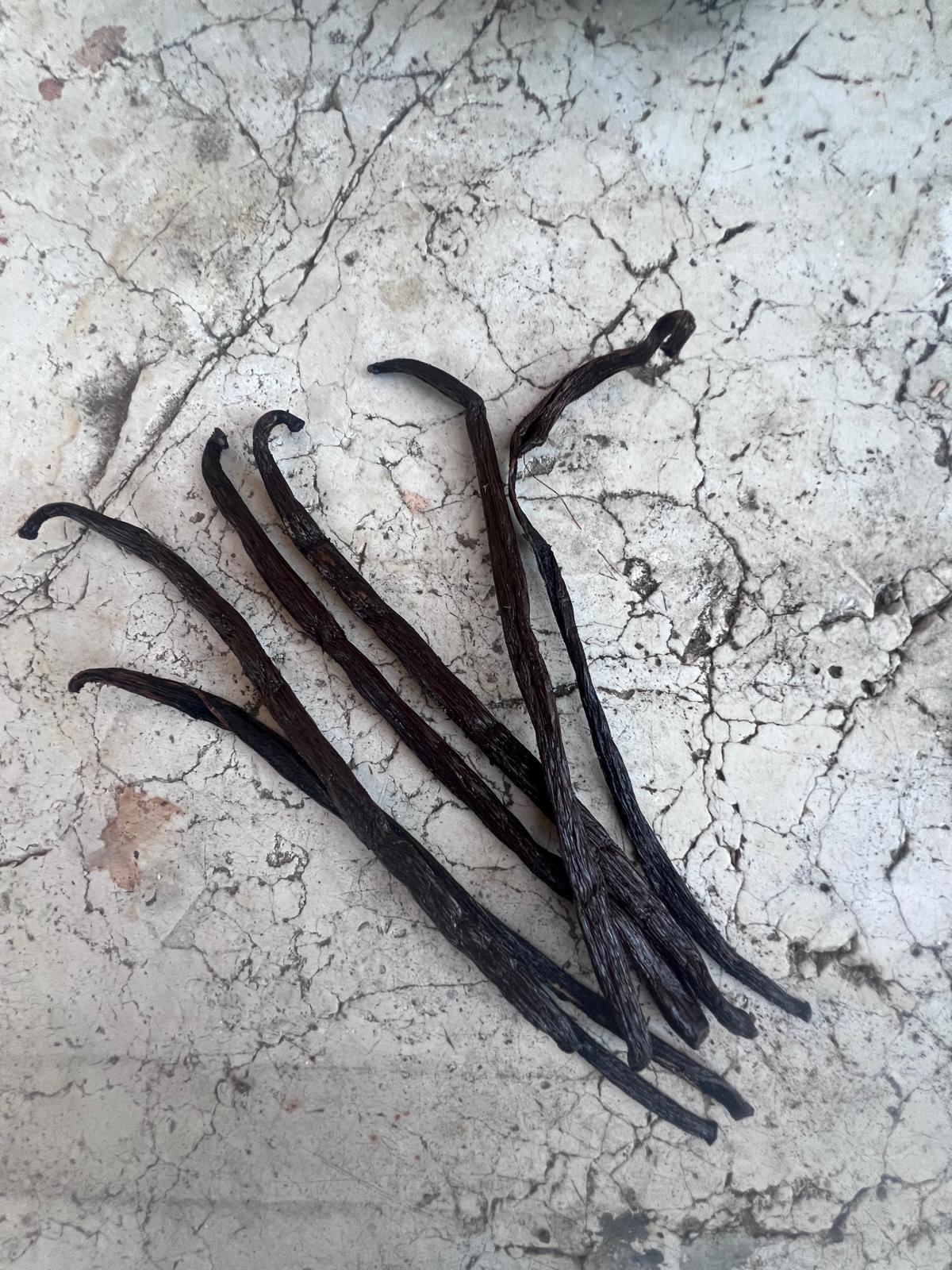
Edmond was freed in 1848 when France abolished slavery in its colonies. He died in poverty in 1880, largely uncredited. A celebrated botanist from Paris later tried to claim the discovery as his own. Ferréol wrote to the governor twice to confirm that the discovery was Edmond's. That oily black vanilla bean had made the white man rich, in the same way that Black men had made them rich as slaves. The world was given sweetness because of him.
In the world
Industry infiltrates air
1841 was not only a literary and political turning point; it was a sensory one. Steam, coal smoke, wet wool, lamp oil, ink, river fog, violets, tobacco, orange blossom water were widely experienced and the modern world had a new smell which people were beginning to notice. As cities expanded and industry intensified, fragrance became more than adornment: it became memory, escape, atmosphere, even resistance.
Now
Vanilla is among the world’s most expensive spices, often second only to saffron. High-quality Madagascan vanilla has at times sold for more than US$600 per kilogram. The orchids are still pollinated by hand, and each pod is cured over months of careful labour, yet many of the farmers who grow vanilla receive only a small share of its final value.